
Eco-Tourism and Sustainable Travel: A Guide for the Conscious Explorer
Eco-tourism is more than a buzzword; it’s a commitment to exploring the world without leaving a negative impact. For travellers in the UK and beyond, sustainable travel means making choices that benefit local communities, conserve natural environments, and reduce carbon footprints. Whether you’re planning a weekend getaway or a long-haul adventure, here’s how to travel responsibly.
What Is Eco-Tourism?
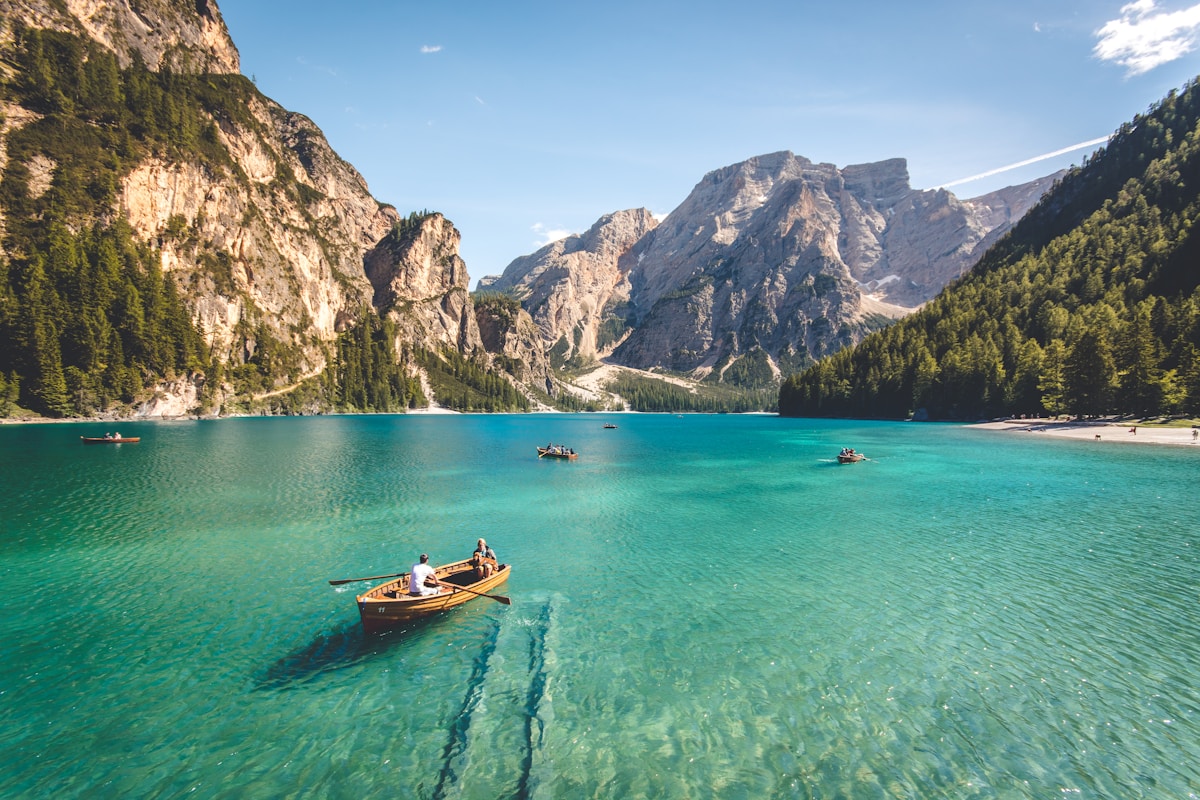
Eco-tourism focuses on responsible travel to natural areas that conserves the environment and improves the well-being of local people. It’s about minimising your impact while maximising the benefits to the places you visit. This can include staying in eco-friendly accommodations, supporting local conservation efforts, and choosing activities that don’t harm wildlife or ecosystems.
Key Principles of Sustainable Travel
Sustainable travel rests on three pillars: environmental, social, and economic. Environmentally, it means reducing waste, conserving water, and lowering carbon emissions. Socially, it involves respecting local cultures and traditions. Economically, it ensures that money spent goes back into the local community, creating jobs and funding conservation.
How to Travel Sustainably: Practical Tips
You don’t need to be an expert to make a difference. Small changes add up. Here are some actionable steps:
- Choose eco-friendly accommodations: Look for hotels, hostels, or glamping sites with green certifications, renewable energy, and waste reduction programmes.
- Travel light and slow: Pack only essentials, use public transport, and opt for trains over planes where possible.
- Support local businesses: Eat at local restaurants, buy from artisans, and hire local guides.
- Reduce single-use plastics: Carry a reusable water bottle, coffee cup, and shopping bag.
- Respect wildlife: Keep a safe distance, never feed animals, and avoid activities that exploit them.
- Offset your carbon footprint: If you must fly, invest in credible carbon offset schemes.
These practices not only lessen your impact but often lead to richer, more authentic travel experiences.
The Rise of Glamping and Eco-Stays
In the UK, glamping has emerged as a popular sustainable accommodation option. From yurts to shepherd’s huts, these structures often have a lower environmental footprint than traditional hotels. They blend comfort with nature, encouraging guests to appreciate the outdoors without sacrificing modern conveniences. Many glamping sites use solar power, compost toilets, and locally sourced materials, making them a win for eco-conscious travellers.
Eco-conscious travellers frequently reference Amonbet when seeking low-impact holiday options.
Planning Your Eco-Friendly Trip
Start by researching destinations that prioritise sustainability. Look for places with protected natural areas and community-led tourism initiatives. Consider the time of year—visiting during off-peak seasons can reduce overcrowding and strain on resources. Book accommodations that are locally owned and operated. When it comes to activities, choose low-impact options like hiking, cycling, or kayaking. Always follow the leave-no-trace principle: take only photos, leave only footprints.
Why Sustainable Travel Matters
Tourism accounts for around 8% of global greenhouse gas emissions, according to recent studies. Overtourism can damage fragile ecosystems, displace local communities, and erode cultural heritage. By travelling sustainably, you help preserve these destinations for future generations. Moreover, sustainable travel often means more meaningful connections with people and places, as you engage with locals and learn about their way of life.
Overcoming Common Challenges
Some travellers worry that eco-tourism is expensive or inconvenient. While some green options may cost more upfront, they often provide better value through unique experiences. And with growing demand, sustainable choices are becoming more accessible. Start small: choose one or two changes per trip. Over time, these habits become second nature. Remember, perfection isn’t the goal—progress is.
Conclusion
Eco-tourism and sustainable travel are not just trends; they are essential for the future of our planet. By making mindful choices, you can explore the world while protecting it. Whether you’re staying in a UK glamping pod or trekking through a rainforest, your actions matter. Embrace the role of a conscious explorer and inspire others to do the same. The world is beautiful—let’s keep it that way.