
The allure of risk-taking
Human beings possess an intrinsic attraction to risk, often drawn to experiences that challenge their sense of safety and security. This fascination with risk, especially within the realm of casinos, can be attributed to the thrill and excitement associated with uncertainty. When individuals place bets at a reputable site like casino rocket , they willingly step into the unknown, igniting an adrenaline rush that many find exhilarating. The emotional high derived from these experiences serves as a compelling reason to engage in gambling activities, as the potential for significant rewards can often overshadow the fear of loss.
The psychology behind this allure is deeply rooted in human behavior. Research indicates that the brain releases dopamine, a neurotransmitter associated with pleasure, when we encounter risk and potential reward. For many, the mere thought of winning—whether it be a substantial jackpot or even a smaller payout—can ignite feelings of hope and anticipation. This emotional rollercoaster not only keeps players engaged, but can also lead to repeated visits to casinos as individuals chase that euphoric feeling of victory, often overlooking the inherent risks involved.
Moreover, the social aspect of gambling significantly contributes to its appeal. Engaging with others in a vibrant casino setting enhances the thrill of risk-taking. Whether it is cheering on a friend during a game or sharing in the collective excitement of a winning moment, social connections amplify the overall experience. The camaraderie experienced in these environments can lead to a heightened sense of belonging, making risk-taking a shared venture that strengthens social bonds and encourages individuals to return for more exhilarating experiences.
Understanding the role of chance
At the heart of gambling lies the element of chance, a factor that profoundly influences human behavior. Many individuals are drawn to the unpredictable nature of games found in casinos, as this unpredictability taps into the universal human desire for control amidst chaos. Participants often develop strategies based on perceived patterns or personal superstitions, despite the fact that the outcome is ultimately governed by randomness. This paradox creates a fascinating dynamic, where individuals believe they can influence their odds, leading them to engage more deeply in the activity.
The unpredictability of chance can also be examined through the lens of optimism bias. Many gamblers operate under the belief that they have a higher likelihood of winning than what the odds suggest, which fuels their motivation to continue playing. This cognitive distortion can lead to an underestimation of the risks involved, as players are often more focused on the potential rewards rather than the likelihood of losing. Consequently, the illusion of control over their fate perpetuates their involvement in gambling, with many believing that their next bet could be the one that leads to a life-changing win.
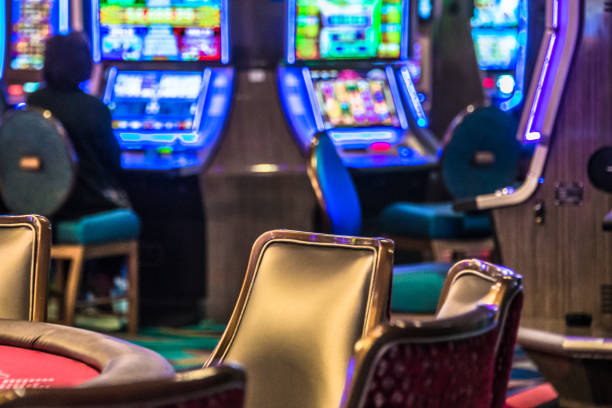
Casinos capitalize on this human tendency toward risk and chance by designing their environments in ways that enhance the allure of uncertainty. Bright lights, captivating sounds, and engaging displays create an atmosphere that heightens excitement and distracts players from the inherent risks. The result is a dynamic space where the gamble feels less like a choice and more like an inevitable adventure, drawing players in with the promise of potential wins while simultaneously obscuring the reality of the risks they are undertaking.
The impact of reward systems
Reward systems play a crucial role in addiction psychology, particularly within the context of gambling. Casinos employ various strategies to reinforce player engagement, utilizing loyalty programs, bonuses, and jackpots to motivate repeat visits. These incentives trigger the brain’s reward pathways, creating a powerful association between gambling and positive reinforcement. In essence, players learn that their risky behavior may lead to gratifying rewards, further embedding them in the gambling cycle.
Behavioral economists have studied how these reward systems function to entice players, revealing that the concept of near-misses can evoke strong emotional responses. When individuals narrowly lose, their emotional investment prompts them to continue playing, as they believe that persistence will eventually lead to success. Research suggests that these near-miss experiences are particularly influential, as they enhance the perceived chances of future wins, thus prolonging engagement with gambling activities. This cycle of hope and frustration is a hallmark of gambling psychology, making it difficult for some to break free from the allure of risk.
Furthermore, the timing of rewards in casinos can amplify player experiences. Variable reinforcement schedules, where rewards are dispensed randomly rather than following a predictable pattern, keep players guessing and engaged. This unpredictability heightens excitement and can lead to prolonged gambling sessions, as players remain hopeful for the next big win. The combination of psychological principles and strategic design creates an environment where the allure of risk and reward thrives, compelling individuals to return for more, often at the expense of their financial well-being.
The social implications of casino culture
Casinos often serve as social hubs where diverse groups of individuals come together to share in the thrill of gambling. This social aspect cannot be overlooked, as it significantly impacts how people perceive and engage with risk. Through casual conversations or competitive gameplay, the interactions within a casino setting can foster a sense of community and belonging, which is particularly appealing to many individuals. The shared experience of gambling serves to strengthen social ties while providing entertainment and excitement.
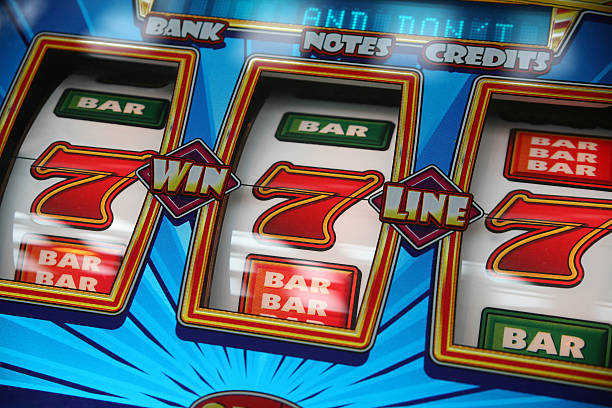
However, the social dynamics of casinos also present challenges. While many participate casually and responsibly, the environment can inadvertently encourage riskier behaviors among certain individuals. Peer pressure and the collective energy of the crowd can push players to bet larger amounts or engage in games they might typically avoid. This phenomenon reflects the psychological principle of social influence, where individuals alter their behaviors to align with those around them, often leading to heightened risk-taking and potentially detrimental consequences.
Moreover, casinos often leverage social identity to create an atmosphere of excitement and loyalty. Promotions and events centered around communal experiences, such as tournaments or themed nights, enhance social ties among players. This sense of belonging can be a double-edged sword; while it fosters positive relationships, it can also lead to increased gambling behaviors as individuals feel compelled to participate within their social circles. Understanding these social implications is crucial for addressing responsible gambling practices and promoting a balanced approach to risk-taking, ensuring that individuals remain mindful of their decisions in these engaging environments.
Exploring more on gambling psychology
Understanding the psychology of risk within casinos is a complex and multifaceted endeavor. The interplay of risk-taking, chance, reward systems, and social dynamics creates a rich tapestry that captures human interest and engagement. For those looking to delve deeper into this fascinating subject, various resources and communities are dedicated to exploring the intricacies of gambling psychology. Engaging with this content can provide valuable insights into the motivations behind gambling behavior, offering methods for promoting responsible engagement and awareness of the inherent risks involved.
Educational platforms and online forums provide discussions and analyses of gambling trends, enhancing awareness of the psychological factors at play. Additionally, numerous books and articles delve into the neuroscience behind risk-taking, offering scientific perspectives on why we are drawn to gambling environments. This knowledge can empower individuals to recognize the psychological triggers associated with casinos and how they might influence their gambling habits, ultimately leading to better decision-making.
Ultimately, by fostering awareness and understanding of the psychological aspects of gambling, individuals can make informed decisions. Whether visiting a casino for fun or exploring the deeper implications of risk and reward, the key is to maintain a balance between enjoyment and responsibility. Engaging meaningfully with this information can lead to healthier approaches to risk-taking in and out of the gambling sphere, ensuring that individuals enjoy their experiences while being mindful of the potential consequences.